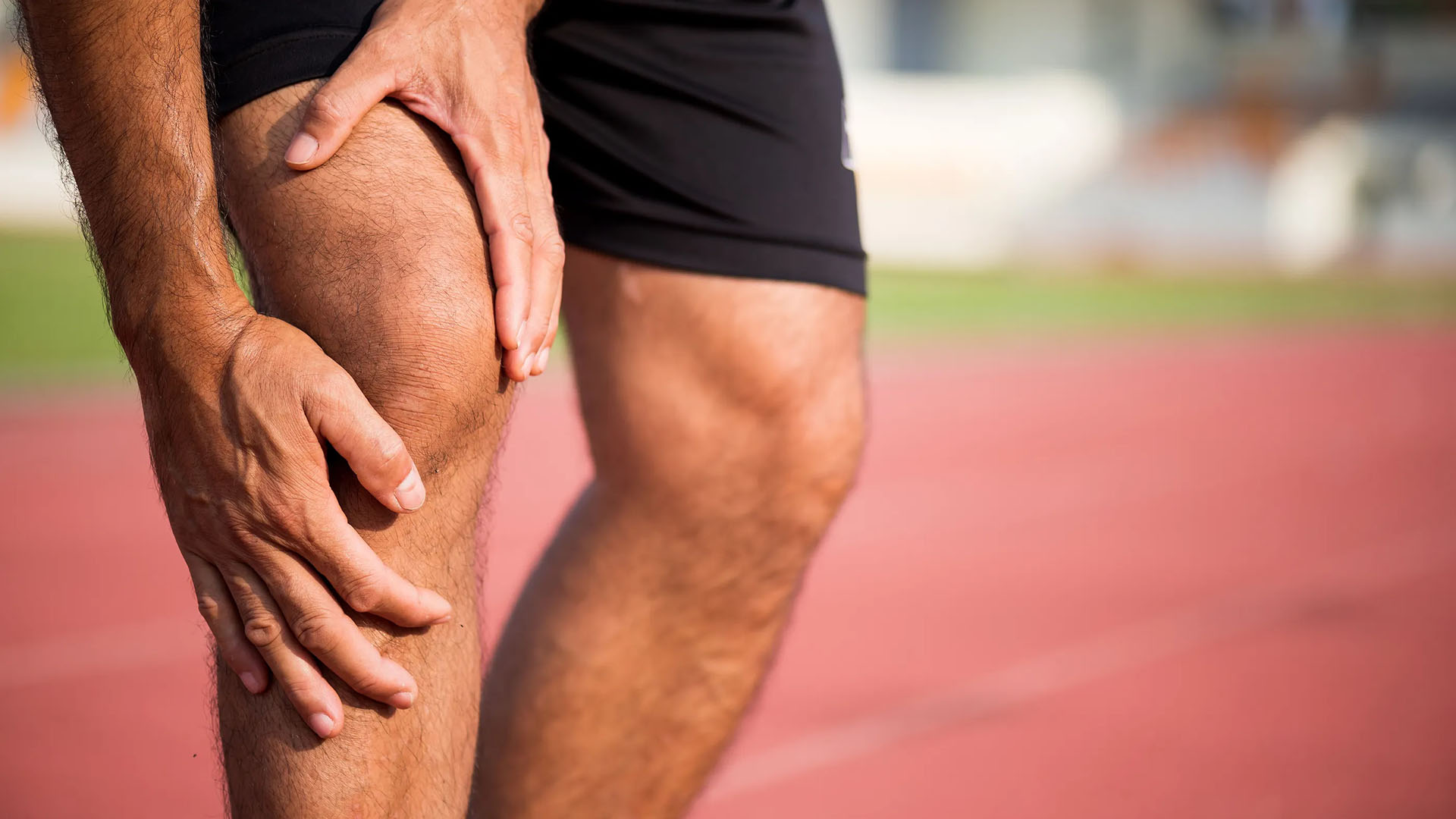
LIGAMENT INJURIES: DIAGNOSIS AND TREATMENT IN SPORTS TRAUMATOLOGY
Ligaments are fundamental structures for joint stability, acting as strong bands of connective tissue that limit excessive movement and protect joints from external forces. Ligament injuries are common in sports and can compromise the function of the knee, ankle, and other joints. At our traumatology and sports medicine clinic, we offer accurate diagnosis and advanced treatments for these conditions.
Classification of Ligament Injuries
Ligament injuries are classified according to the degree of structural damage:
- Grade I (mild strain or sprain)This involves excessive stretching of the ligament without significant rupture. It causes mild pain and swelling, and recovery is rapid with rest, physical therapy, and functional taping.
- Grade II (partial rupture)There is moderate involvement with partial muscle fiber tears, causing joint instability and more intense pain. It may require temporary immobilization, rehabilitation, and regenerative therapies.
- Grade III (complete rupture)The ligament ruptures completely, causing significant instability in the joint. In many cases, surgery is required to restore stability.
Most Frequent Ligament Injuries in Sports Medicine
- Anterior cruciate ligament (ACL) ruptureA knee injury is one of the most feared injuries in contact sports and sports involving sudden twists and turns, such as soccer or basketball. It causes instability in the knee and usually requires reconstructive surgery with a bone graft.
- Posterior cruciate ligament (PCL) ruptureThis condition is caused by direct impacts to the knee, such as in accidents or falls. It is generally managed with rehabilitation, but in cases of significant instability, surgery may be required.
- Sprain of the medial collateral ligament (MCL)Common in soccer players and skiers, it occurs due to forced valgus stress on the knee. It is treated with partial immobilization and physiotherapy, reserving surgery for severe tears.
- Ankle sprains (lateral ligaments)These are very common in sports with changes of direction. In mild injuries, treatment is conservative with rehabilitation, but chronic instabilities may require ligament reinforcement surgery.
Advanced Diagnosis and Treatment
The diagnosis is made with clinical examination, joint stability tests and imaging studies such as ultrasound, magnetic resonance imaging and x-rays to rule out associated fractures.
Treatments include:
- Specialized physiotherapy and strengthening exercises to restore joint stability.
- Injections with platelet-rich plasma (PRP) or hyaluronic acid to accelerate recovery from partial injuries.
- Functional orthotics and bandages to stabilize the joint during the healing phase.
- Arthroscopic surgery for ligament reconstruction in complete ruptures, using minimally invasive techniques with tendon grafts.
Dr. Narváez Clinic’s Approach
If you have suffered a ligament injury, at our traumatology and sports medicine clinic we offer a comprehensive approach to ensure a safe and effective recovery, allowing you to return to activity with the best possible functionality.