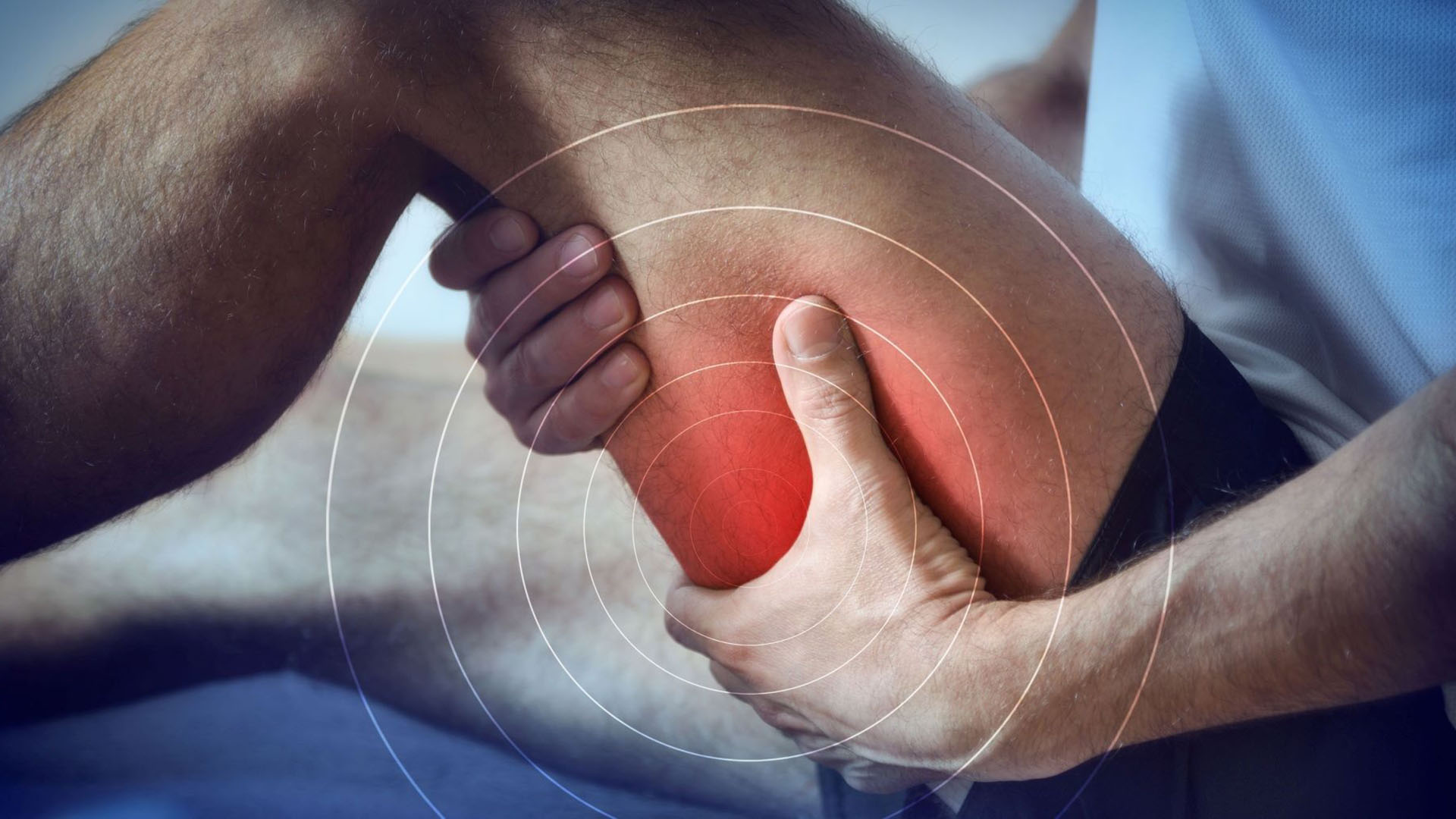
MUSCLE INJURIES: DIAGNOSIS AND TREATMENT IN SPORTS TRAUMATOLOGY
Muscle injuries are one of the most frequent causes of pain and limitations in athletes and active individuals. They occur due to overuse, excessive stretching, or direct trauma, primarily affecting muscles such as the quadriceps, hamstrings, rectus femoris, and gastrocnemius/soleus. At our sports medicine and traumatology clinic, we offer accurate diagnosis and advanced treatments for optimal recovery.
Types of Muscle Injuries and Their Grading
Muscle injuries are classified according to the extent of damage to the muscle tissue:
- Grade I (strain or micro-tears)These involve overstretching with minor injuries to the muscle fibers. They cause mild discomfort and recovery is quick with rest and physical therapy.
- Grade II (partial rupture)This results in a more extensive rupture of the muscle fibers with inflammation and bruising. It causes moderate to severe pain and requires progressive treatment with rehabilitation and, sometimes, injections to accelerate regeneration.
- Grade III (complete rupture)There is a complete discontinuity of the muscle, with loss of function and retraction of the injured ends. In these cases, surgery may be necessary to repair the damaged tissue.
Common Muscle Injuries
- Muscle fiber tearsThese injuries are caused by overuse or sudden exertion, frequently affecting the leg muscles. They result in sharp pain, bruising, and limited movement.
- Compartment syndromesThis increases pressure within a muscle compartment, compromising circulation and causing severe pain. In severe cases, it requires urgent decompressive surgery.
- Injuries to the rectus abdominis muscleA key muscle in the quadriceps, often injured in explosive sports. May require intensive rehabilitation or surgery in severe tears.
- Gastro-soleus injuries (tennis leg)Common in runners and jumping sports. It produces sudden pain in the calf, treated with regenerative therapy and progressive strengthening.
- Quadriceps injuriesIt commonly affects soccer players and runners, causing pain in the front of the thigh. It is managed with advanced physiotherapy and progressive functional recovery.
- Hamstring injuriesCommon in sprinters and contact sports, these injuries cause intense pain in the back of the thigh. In severe cases, they may require surgery.
Advanced Diagnosis and Treatment
The diagnosis is made with musculoskeletal ultrasound and magnetic resonance imaging, which allow the assessment of the degree of injury and the planning of the most appropriate treatment.
Treatments include:
- Advanced physiotherapy and guided rehabilitation.
- Regenerative therapies such as platelet-rich plasma (PRP) and hyaluronic acid injections.
- Electrotherapy and shock waves to stimulate tissue regeneration.
- Dry needling and percutaneous neuromodulation to improve muscle contracture and pain.
- Surgery for severe ruptures with muscle repair and controlled functional recovery.
Dr. Narváez Clinic’s Approach
If you have suffered a muscle injury, our team specializing in sports traumatology will help you recover with the most innovative and effective treatments.