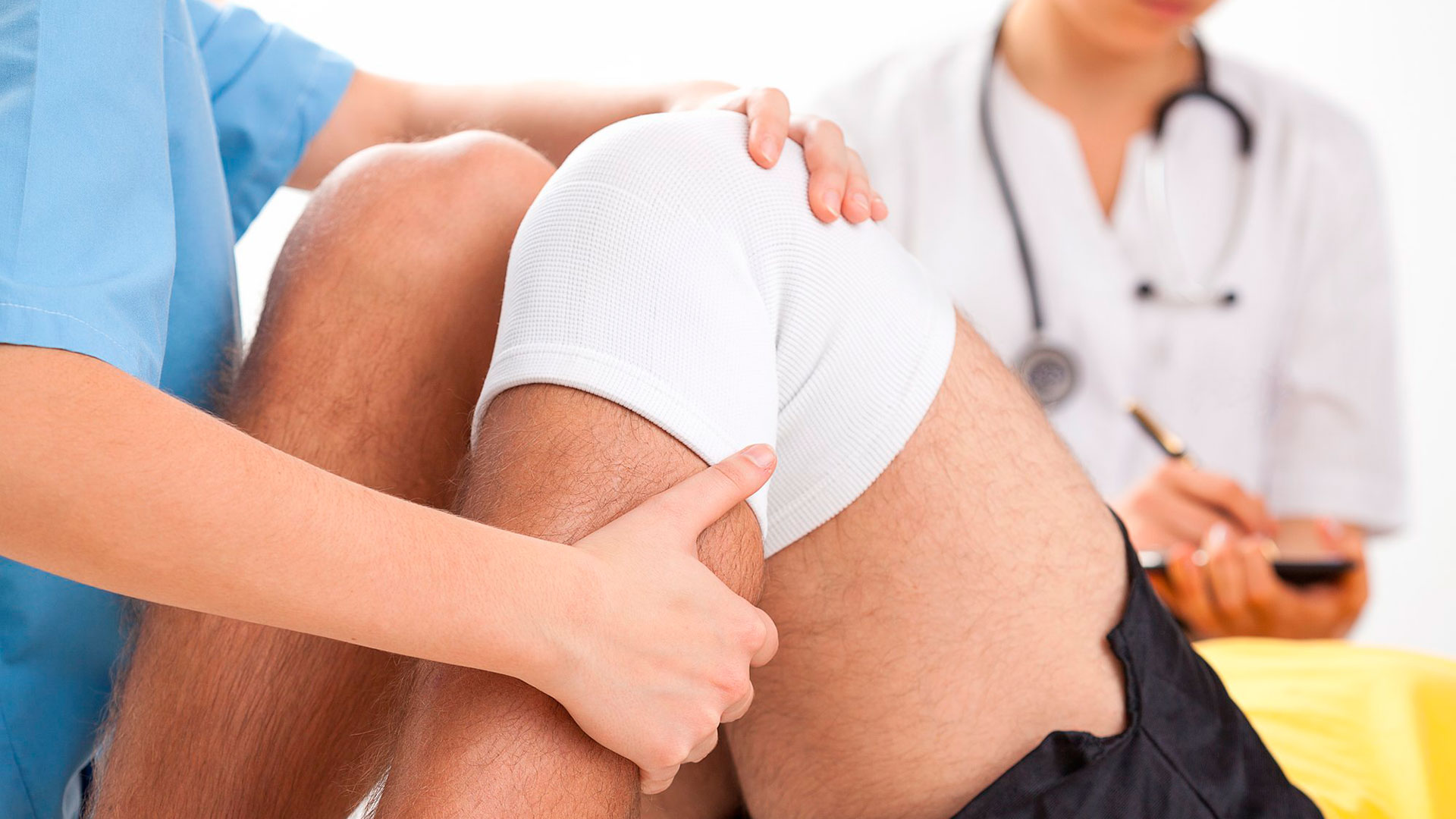
MENISCUS INJURIES: DIAGNOSIS AND TREATMENT
The menisci are key structures in the knee, acting as shock absorbers between the femur and tibia, absorbing impact and distributing the load. Without them, the knee wears down faster and the risk of osteoarthritis increases. There are two menisci in each knee:
- Medial (inner) meniscus: more prone to injury due to their reduced mobility.
- Lateral (external) meniscus: more flexible and less vulnerable, although their injuries can be more complex.
Mechanism of injury
Meniscal injuries can be caused by sudden or repetitive movementsThese injuries can be caused by knee twisting with the foot planted, forced flexion, or direct trauma. They are common in athletes and active people, but can also appear with aging due to tissue degeneration.
Types of meniscal tears
Depending on the shape and location, we find different types of breaks:
- Longitudinal break: It is usually repairable if it is in the “red zone” (with good vascularization).
- Bucket handle break: A fragment of the meniscus shifts within the joint, causing locking. It must be repaired.
- Radial fracture: It passes through the meniscus and can affect its mechanical function.
- Horizontal or degenerative break: common in older people, often stable and treatable without surgery.
Symptoms and diagnosis
The most common symptoms of a meniscal injury include:
- Knee pain, especially when twisting or bending.
- A feeling of being blocked or “hooked” when moving the leg.
- Inflammation and stiffness.
- Difficulty bearing weight on the affected leg.
For diagnosis, clinical examination is combined with imaging tests such as magnetic resonance imaging, which allows confirmation of the type and severity of the injury.
Treatment: Is surgery always necessary?
Not all meniscal injuries require surgery. If the break is degenerative and stableIn many cases, it responds well to conservative treatment with:
- Physiotherapy to strengthen muscles and improve stability.
- Regenerative medicinesuch as hyaluronic acid injections or platelet-rich plasma (PRP), to reduce pain and improve cartilage repair.
- Therapeutic exercise and modification of the activity to avoid overloads.
When to operate?
When the injury is large, causes locking of the knee, or does not improve with conservative treatment, arthroscopic surgery is the preferred option. We always try repair the meniscus to preserve its function and prevent future osteoarthritis.
If the injury is in an area with poor blood supply and repair is not possible, a procedure is performed. partial meniscectomyremoving only the smallest damaged portion. This helps relieve symptoms and maintain joint function.
Dr. Narváez Clinic’s Approach
Request a specialist consultation
If you have knee pain or suspect a meniscal injury, early diagnosis is important to avoid complications.. Contact us and we will assess the best treatment for you.