KNEE OSTEOARTHRITIS: SYMPTOMS, DIAGNOSIS AND TREATMENT
What is knee osteoarthritis?
The knee osteoarthritis, also known as gonarthrosisIt is a degenerative disease that causes the progressive wear and tear of articular cartilage, the tissue that covers the bones and allows the knee to move without friction.
It is one of the most common joint pathologies, especially in older people. 50 yearsHowever, it can also appear at younger ages due to previous injuries, being overweight, or genetic factors.
Symptoms of knee osteoarthritis
Cartilage wear and tear causes pain and progressive limitations in daily activities. The most common symptoms include:
- Pain that worsens with movement and improves with rest.
- Morning stiffness or after prolonged periods of inactivity.
- Inflammation and deformity of the knee in advanced stages.
- Difficulty walking or climbing stairs due to loss of mobility.
- Crackles or snaps when moving the knee.
Over time, osteoarthritis can cause a significant disabilityaffecting the quality of life and limiting the person’s autonomy.
Diagnosis of knee osteoarthritis
The diagnosis is based on a combination of:
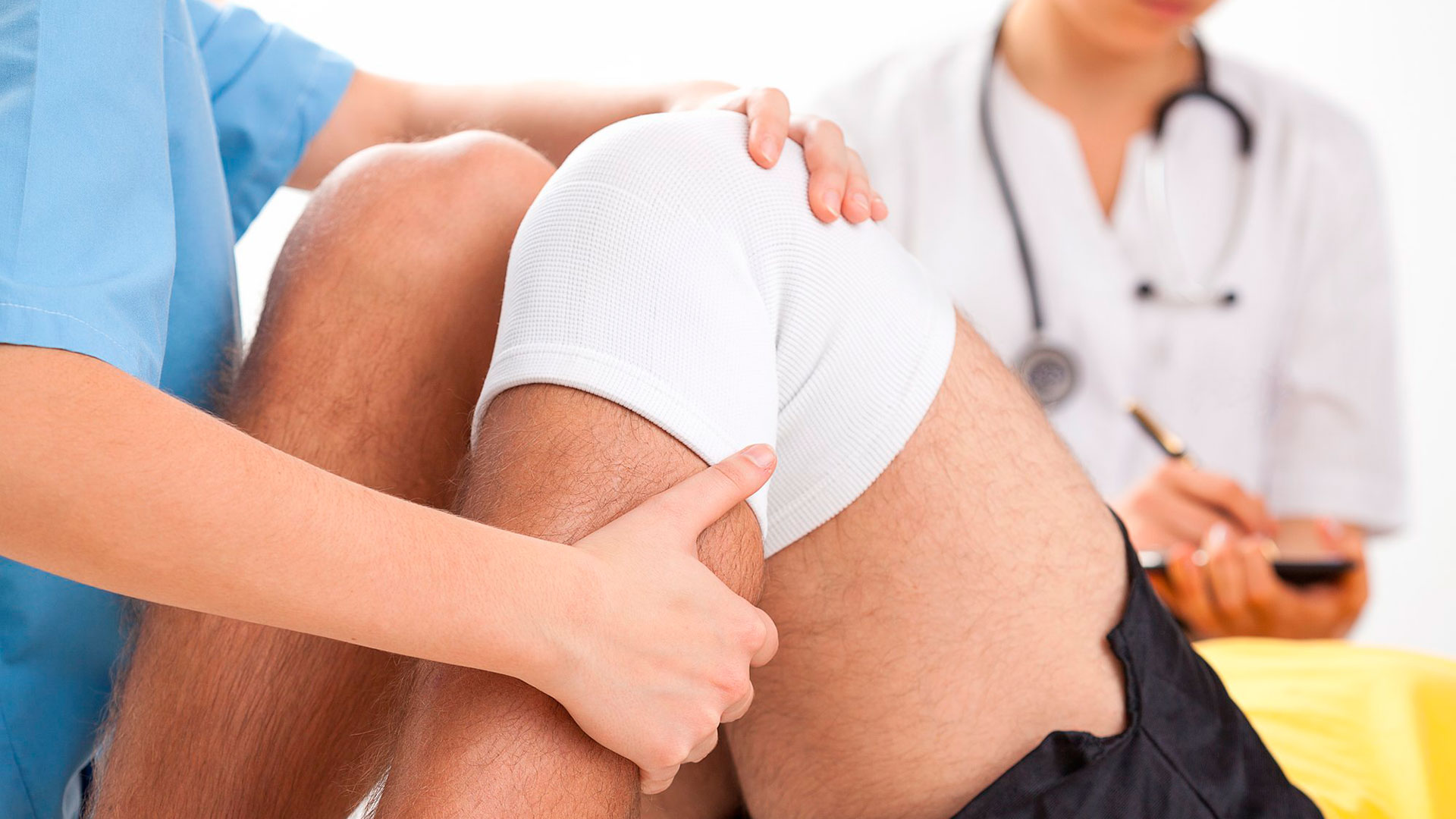
- Clinical examination: assessment of pain, mobility and stability of the knee.
- X-raysThey show the degree of cartilage wear and the presence of osteophytes (bone formations).
- Magnetic resonance imaging: in specific cases, to assess the condition of the cartilage and other joint structures.
Treatment of Knee Osteoarthritis
Treatment depends on the degree of joint damage. initial and moderate stagesConservative treatments can relieve pain and slow the progression of the disease.
01.- Conservative Treatments (Without Surgery)
In cases where the wear and tear is not severe, a multidisciplinary approach is recommended:
- Physiotherapy and exerciseMuscle strengthening to improve stability and reduce the load on the knee.
- Weight lossIt relieves pressure on the joint and reduces pain.
- Regenerative medicine:
- Hyaluronic acid injectionsIt improves joint lubrication and relieves pain.
- Platelet growth factors: they promote cartilage repair in early stages.
- Oral or topical medicationanti-inflammatories and collagen supplements.
Important: In not very advanced osteoarthritisThese treatments have been shown to improve symptoms and slow joint deterioration, offering an effective alternative before considering surgery.
02.- Knee Prosthesis: The Best Solution in Advanced Stages
When osteoarthritis is severe and pain limits daily lifeThe most effective treatment is the knee prosthesis.
What does a knee replacement involve?
It is a surgery in which the damaged surfaces of the joint are replaced by high-quality artificial components (metal (titanium, chromium-cobalt), ceramic and biomedical plastic).
- Total knee replacement: all worn joint surfaces are replaced.
- Partial (unicondylar) prosthesis: indicated if only one compartment of the knee is affected.
Benefits of Knee Replacement
- Eliminates pain and significantly improves the quality of life.
- Regain mobilityallowing you to walk, climb stairs and perform everyday activities.
- High durabilitywith an average lifespan of 15-20 years.
- Safe procedurewith a low complication rate and progressive recovery.
Suitable for older people who suffer debilitating pain and limitations in their daily lives. A knee replacement allows you to regain autonomy and enjoy an active life.
Dr. Narváez Clinic’s Approach
Do you have knee pain? Request a consultation
If you suffer persistent pain or limited mobilityWe can help you find the most suitable treatment for your case.